Introduction | Our Team | Field Schools | News
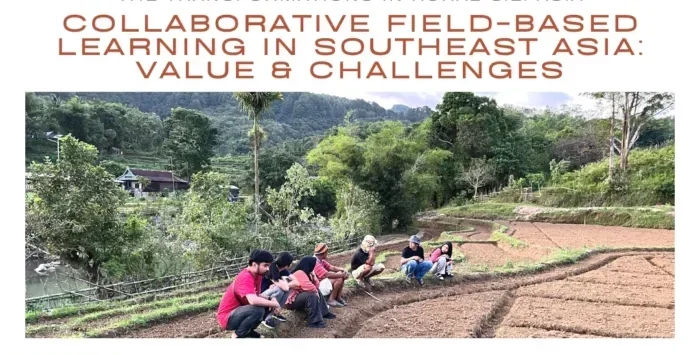
Experiential learning and fieldwork have long been central to teaching and research in the interdisciplinary environmental studies of Southeast Asia. Field schools also play a valuable role in the professional and personal development of students, and are seen as opportunities for students to synthesize theoretical approaches, think critically about real-world challenges and practice research skills. Students also develop resilience through learning how to cope with, and adapt to uncertainties and complexities. They provide enriching encounters that may encourage students to develop a sense of social justice and respect for people in the developing world, gain cultural empathy and skills in managing the cross-cultural differences in natural resource management, and engender deeper understandings of locales as people and place, beyond surface-level perceptions.
This series of LuceSEA Transitions Field Schools are jointly organized by the University of Hawai’i at Mānoa (UHM)/East-West Center (EWC) and our long-term partner institutions in Southeast Asia. These include the Forest and Society Research Group, Faculty of Forestry, Hasanuddin University (UNHAS) in Indonesia; the Faculty of Agriculture, Khon Kaen University (KKU); and the Regional Center for Social Science and Sustainable Development (RCSD), Chiang Mai University (CMU) in Thailand. The joint nature of these collaborations aim at improving the parity between institutions and researchers from both UH and our Southeast Asian partner universities, and supporting peer-to-peer learning among early career scholars from these institutions. The research collaborations, scholarship and collegial friendships that have emerged out of these field schools tie in with the LuceSEA Environmental Transitions project’s goals of growing a network of multidisciplinary, multigenerational scholars of environmental transitions in Southeast Asia.
Engaged Scholarship
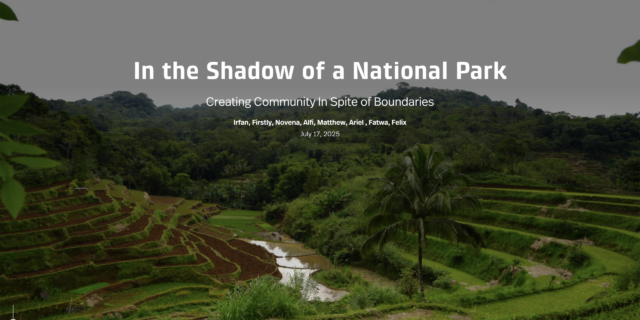
ArcGIS StoryMaps
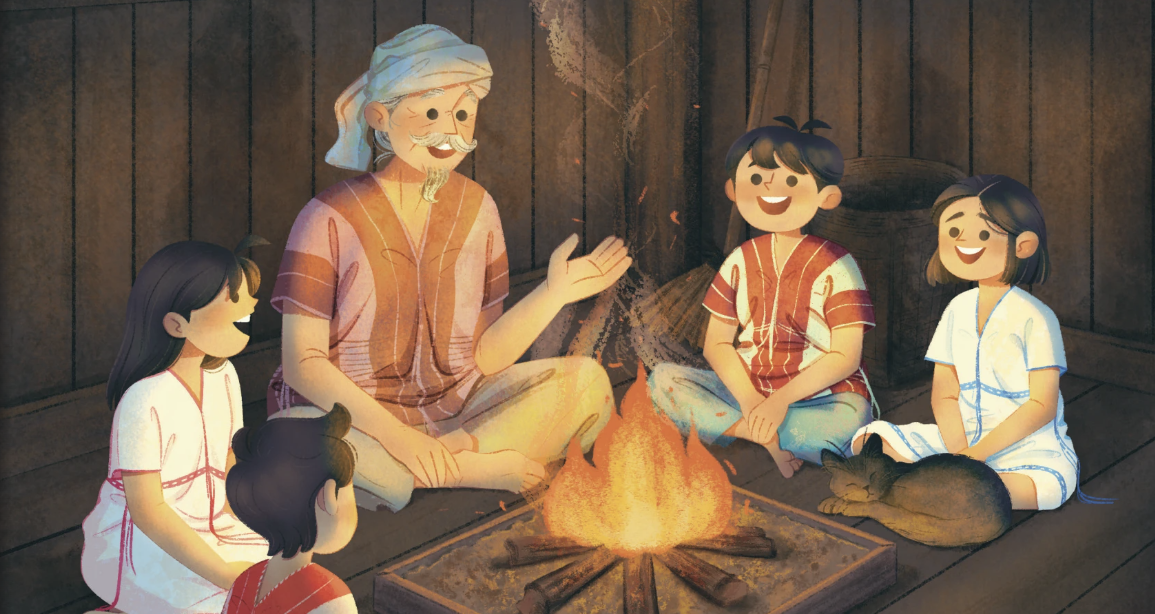
Children’s Book
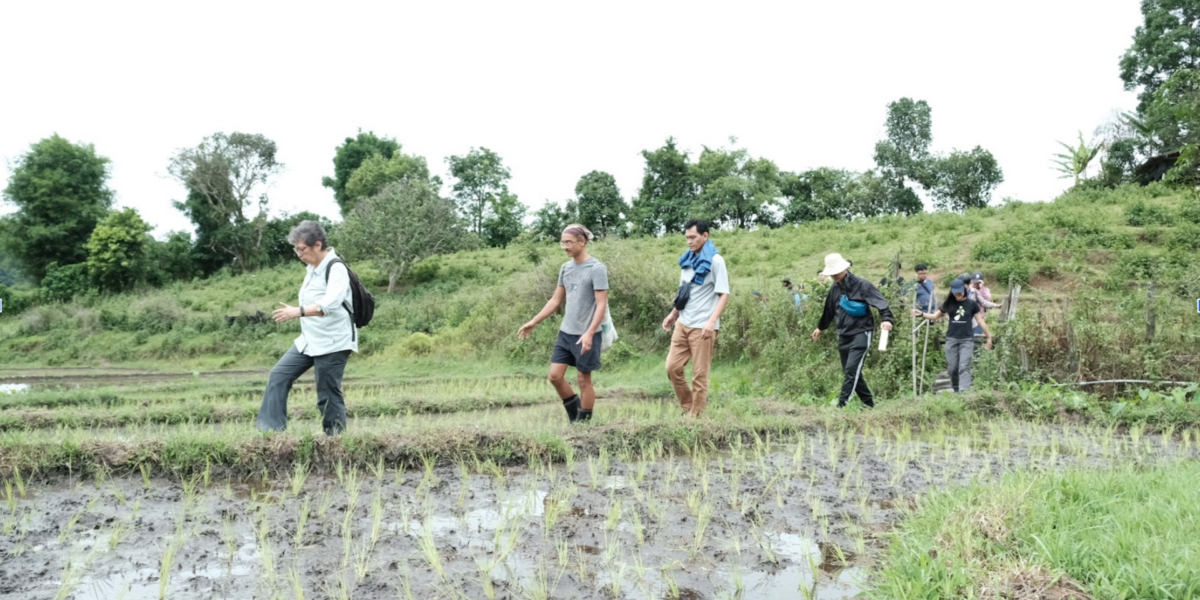
Publications
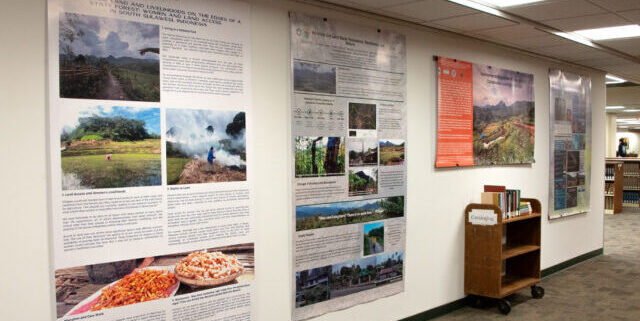
Posters
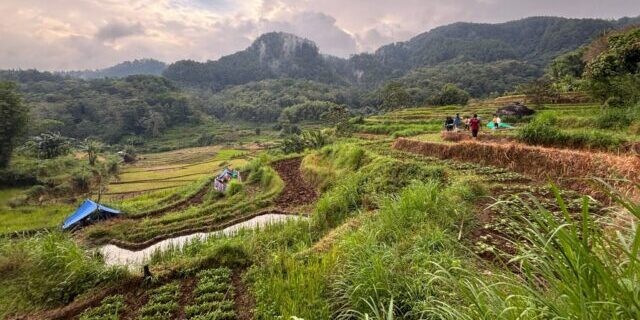
Student Testimonies
Webinars
In addition to LuceSEA project funding, the field schools have also benefited from significant funding support from the Luce Vulnerable Deltas in Southeast Asia Project (East-West Center); the Matsunaga Institute for Peace and the School of Communication and Information (SCI); and the UHM Undergraduate Opportunities Program (UROP) Project and ERC Funding, including a grant from the Tyler Global Fellowship.