
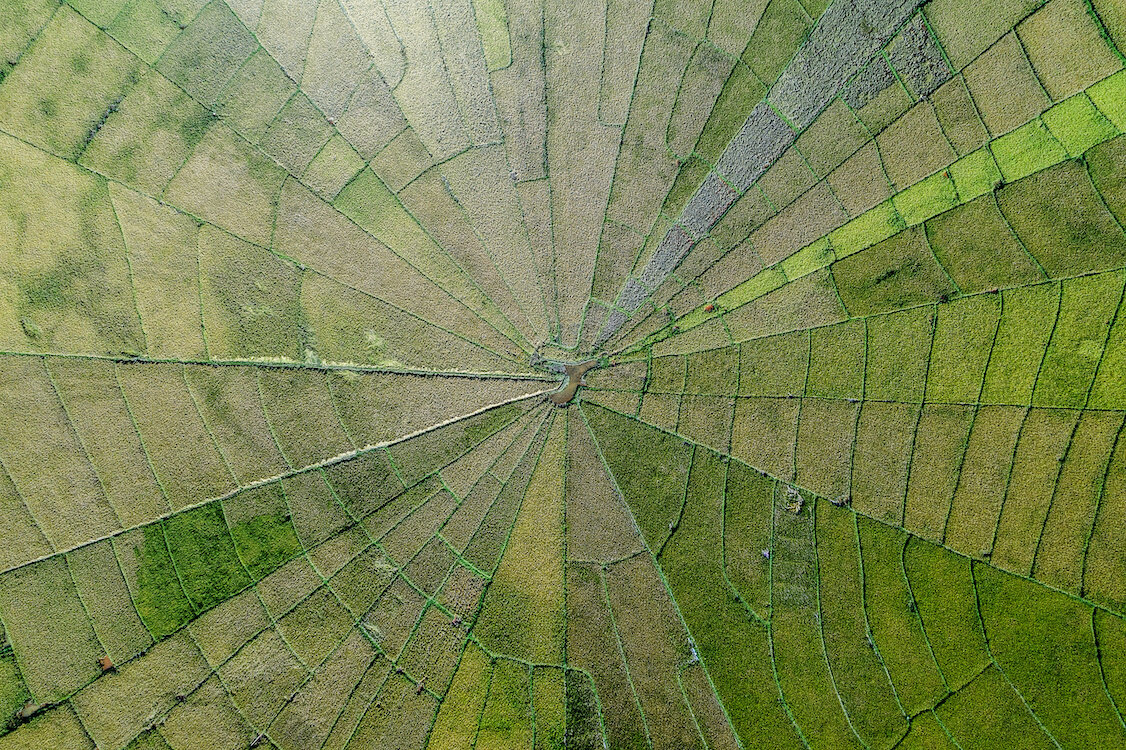
Joint field school: towards cultivating parity in research partnerships
Ming Li Yong, Micah R. Fisher, Olivia Meyer & Krisnawati Suryanata
2026
Experiential learning is fundamental to geography education. Yet, international field schools, particularly those involving collaborations between institutions in the Global North and South, are subject to ongoing critique concerning asymmetrical power dynamics. While current pedagogical literature focuses heavily on student development and cross-cultural competence, it has not fully examined the academic partnership model itself. This paper addresses this gap by reflecting on the design, implementation, and outcomes of a jointly managed field school co-run by a U.S. university and partner institutions in Southeast Asia. The analysis draws on diverse data sources, including student and faculty reflections from the field, outcomes from an international post-school workshop, and professional roundtable discussions on reciprocity in research. Our findings reveal that students participating in joint international field schools benefit from cross-cultural peer-to-peer learning that mitigates many of the pitfalls of short-term programs. They not only add value to the affective appreciation of the place they are studying but also of the various local institutions, which would be instrumental for building future collaborations across regions. The joint field school functions as a deliberate strategy for cultivating parity and mutual capacity-building. This approach lays a foundation for sustained, equitable institutional collaboration and collective knowledge production.
Collaboration as Method: Field Lessons from South Sulawesi, Indonesia and Khon Kaen, Thailand
Ci Yan Sara Loh, Dalilah Haji Laidin, Fatwa Faturachmat, Anna Duerr, Pamula Mita Andary, Andi Vika Faradiba Muin, Ariel Mota Alves & Olivia Meyer
2025
Collaboration in the context of international fieldwork serves to elevate the skills of all members involved while simultaneously contributing to a robust body of observations. This paper reflects on methodological lessons from a Collaborative Southeast Asia Summer Field School where graduate and undergraduate students from Universitas Hasanuddin, Sulawesi, Indonesia (UNHAS), Khon Kaen University, Thailand (KKU), and University of Hawai‘i at Mānoa, USA (UHM) came together to learn how to conduct research collaboratively. Guided by mentors from these three institutions, our multi-disciplinary and multi-cultural group participated in collaborative field schools at three field sites – two in South Sulawesi; and one in Khon Kaen, Thailand – where we continued, and built upon our local partners’ existing research projects and priorities in these areas. Each group focused on ‘following’ specific crops and commodities in different contexts, adopted and adapted multiple research methods, engaged with diverse team members and communities across various languages and landscapes, was guided by different fieldwork objectives and overarching questions, and yielded distinct findings. Despite these differences, all three groups shared a general aim to understand socio-economic and environmental transitions in Southeast Asian rural societies. Through collaborative and comparative reflections on challenges and adaptations before, during, and after fieldwork in both sites, this paper discusses how using collaboration as a research method has (re)shaped team members’ understandings of our research, Southeast Asia as a region, and ourselves. Importantly, we reflect on how this experience has shaped our future collaborative research in, and of Southeast Asia, and how we might apply these methodological lessons in our own research projects.
South Sulawesi, Indonesia
Chiang Mai, Thailand
Hawai’i
Pre- and Post-Field School Reflections
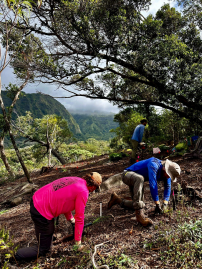
Enlivening Indigenous Voices in an Indonesian National Park: Recentering Forest Conservation Priorities through Oral Histories
by Gabi Kics
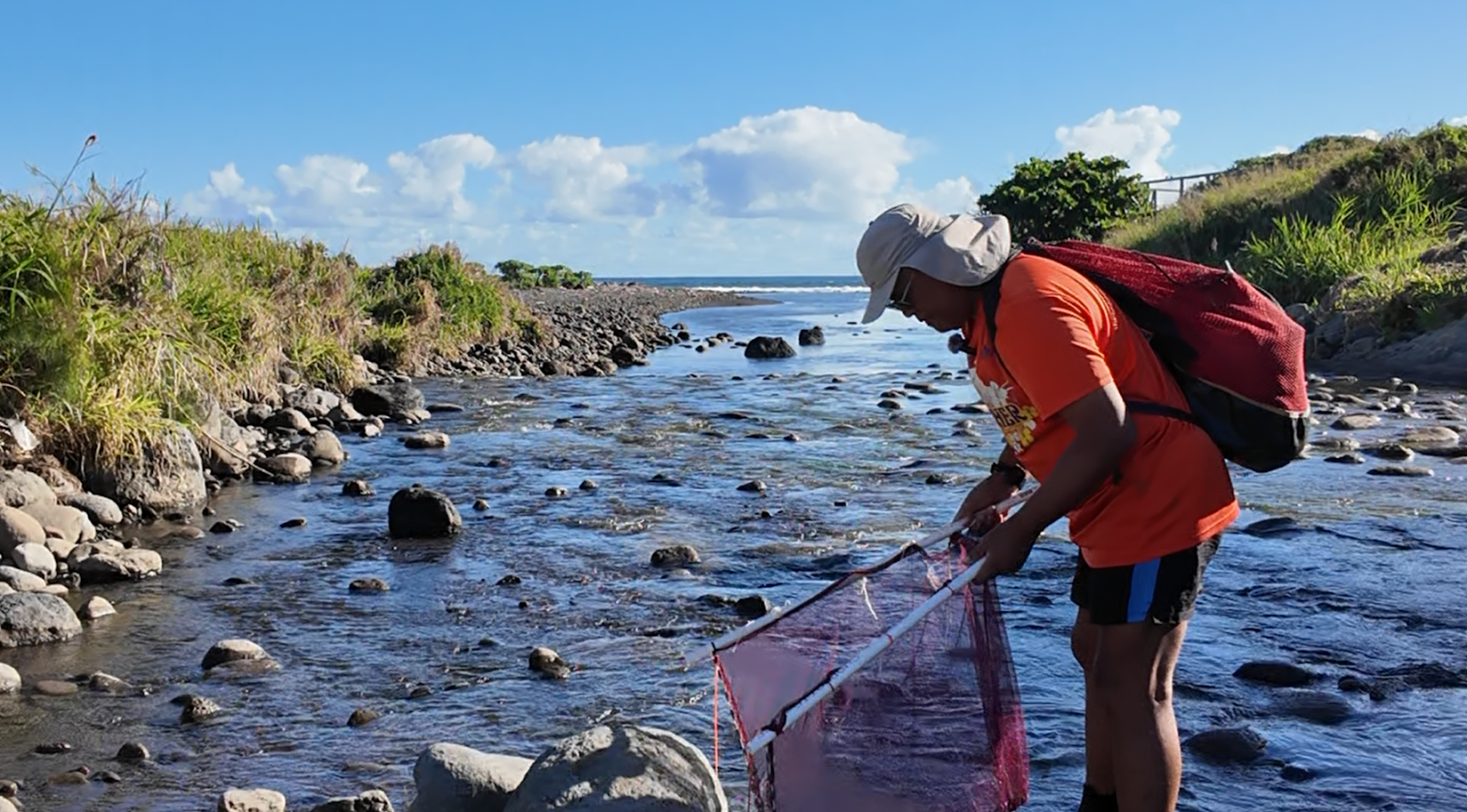
Voice of the Forest: An Environmental Biography of South Sulawesi’s Forests Through Oral Histories
by Courtney Tagay
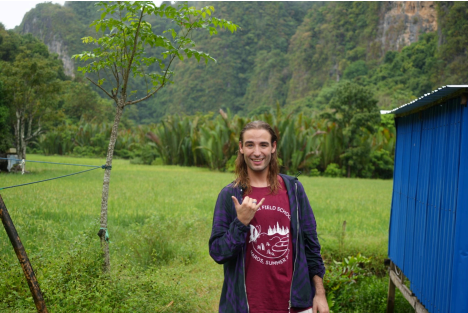
Oral History Field School in South Sulawesi, Indonesia
by Matthew Rummel