Building Capacity for Blue Carbon Implementation
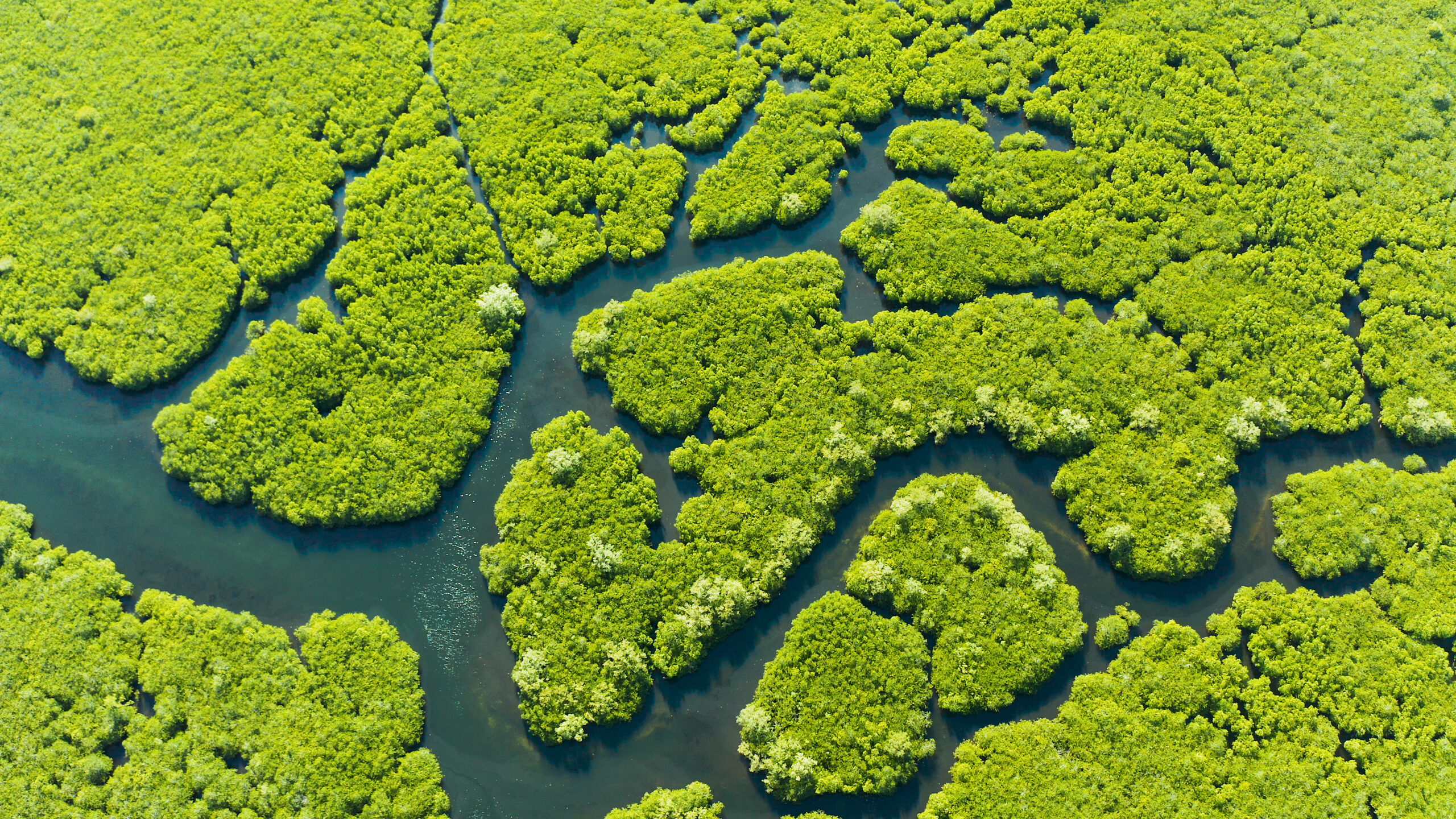
The impacts of climate change on Southeast Asia’s coastal zones is significant and takes the form of sea level rise, coastal erosion, stronger tropical storms and habitat loss. Fortunately, Southeast Asia’s coastal areas also have abundant coral reef, mangrove, and seagrass ecosystems that have the potential to address climate change through the capture and storage of significant amounts of atmospheric carbon dioxide. The carbon capture capacity of these ecosystems has been labelled “blue carbon” and their global sequestration potential is high (up to 3% of annual greenhouse gas emissions).
To support the development of blue carbon programs in Southeast Asia, the Hawaiʻi at Mānoa and the Partnerships in Environmental Management for the Seas of East Asia (PEMSEA) cooperated on a series of activities funded by the LuceSEA program. This has included workshops in both 2025 and 2026.
Training on Integrating Blue Carbon into the Integrated Coastal Management Framework
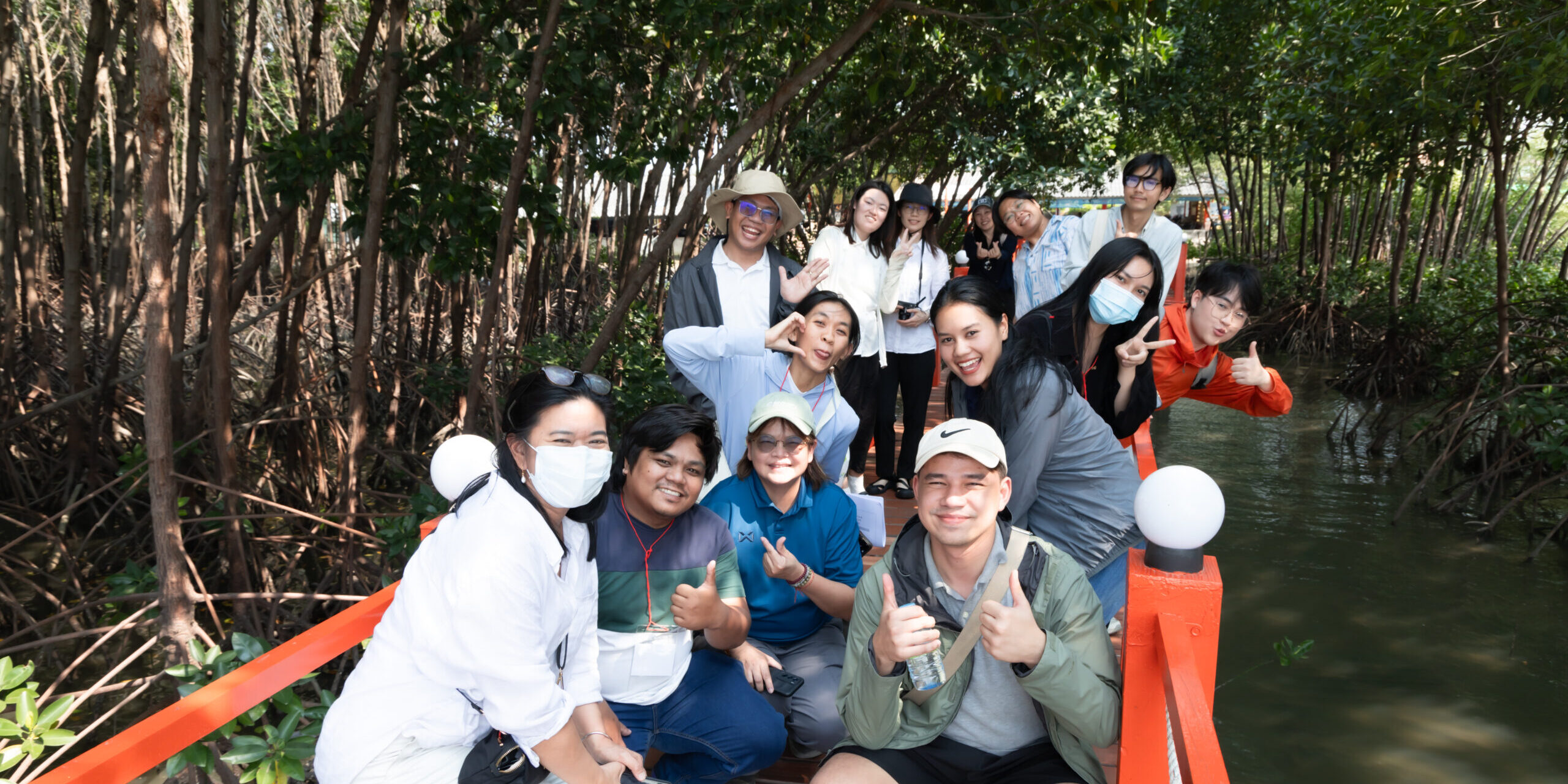
In March 2025, the University of Hawaii at Manoa (UHM), PEMSEA Network of Learning Centers (PNLC), Burapha University and the PEMSEA Resource Facility co-organized the “Training on Integrating Blue Carbon into the Integrated Coastal Management (ICM) Framework” in Chonburi, Thailand. The training was co-sponsored by a grant provided to the Center for Southeast Asian Studies at UHM by the Henry Luce Foundation, with additional support from Burapha University, Thailand Ministry of Higher Education, Science, Research and Innovation of Thailand, nd Thailand Science, Research and Innovation (TSRI). The workshop brought together PNLC participants and Chonburi Province coastal management stakeholders to enhance the understanding of blue carbon concepts and explore how the PNLC can support further development.
Proceedings of this workshop can be found HERE.
PNLC Regional Workshop: From Knowledge to Action: Scaling Blue Carbon Initiatives in the East Asian Region
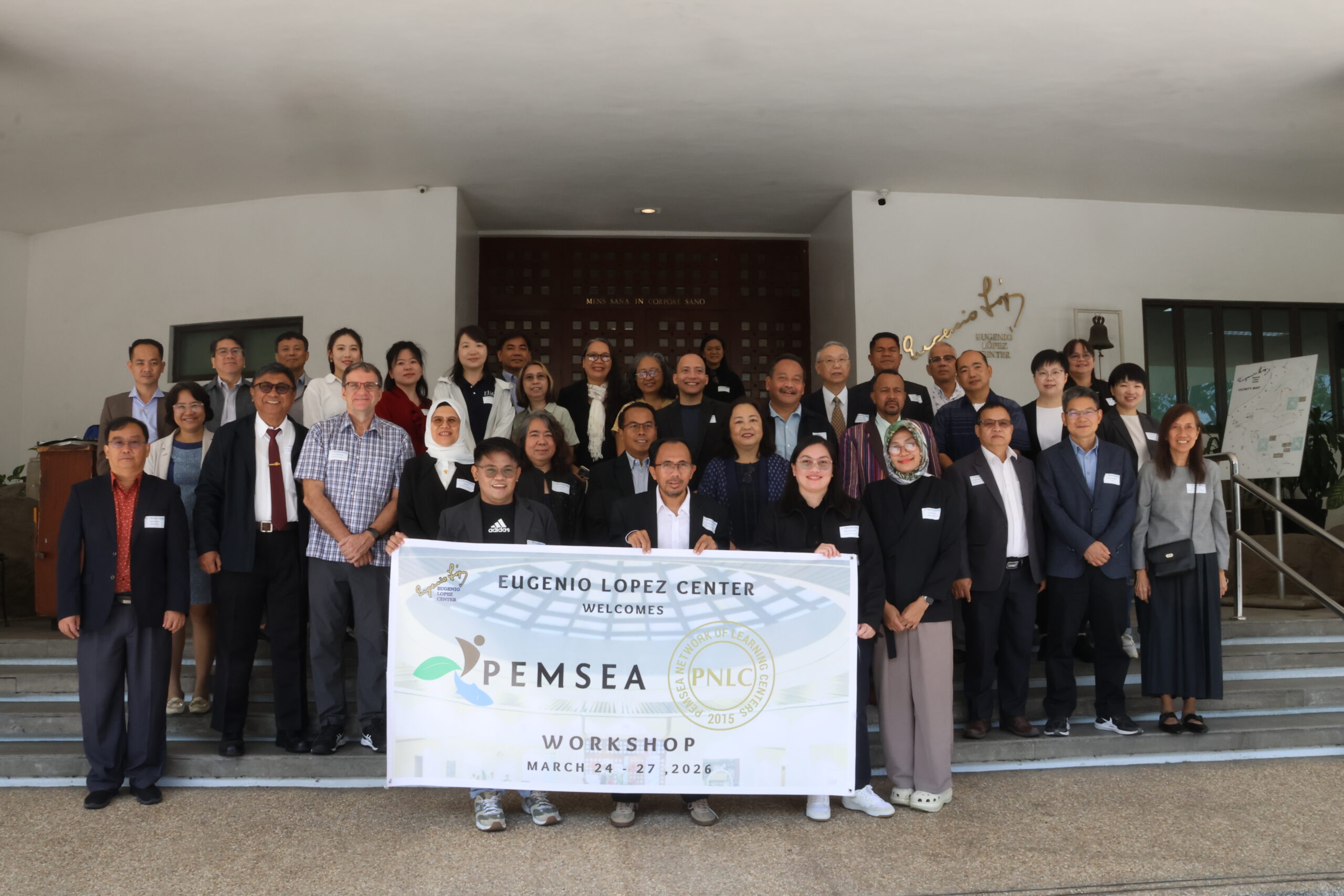
This regional workshop was hosted by the PEMSEA Network of Learning Centers (PNLC) and held in Antipolo, Philippines, from 25–26 March 2026. The workshop brought together 43 participants including experts, speakers, and representatives from PNLC member institutions from 8 countries across the region, namely Cambodia, China, Lao PDR, Indonesia, the Philippines, Thailand, Timor-Leste, and Vietnam. The activity was co-sponsored by the Henry Luce Foundation, University of Hawai‘i, University of the Philippines–Marine Science Institute, the Ministry of Environment Indonesia, and the PNLC. The organization of the workshop was led by the PNLC Secretariat in coordination with the PEMSEA Resource Facility, ensuring effective program delivery and stakeholder engagement.
Proceedings of this workshop can be found HERE.